


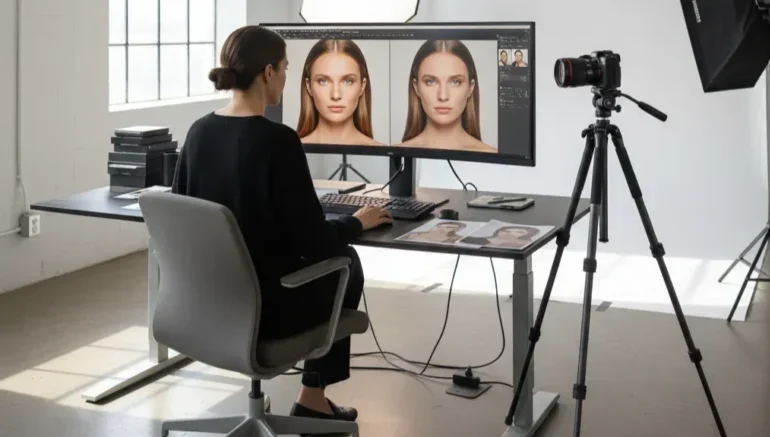
10 Tips to Choose Between High-End and Basic Retouching
Choosing the right type of photo retouching can be confusing, especially if you are new to high-end and basic retouching. Each type has its own purpose and works best in different situations. Basic retouching is fast and focuses on simple fixes, while high-end retouching pays attention to details and creates a polished look. Knowing which method to choose can save time, money, and effort. It also helps you get the results that match your expectations. Learning the differences between these two approaches Helps make sure that your photos look their best without unnecessary work.
High-end and basic retouching are not just about making a photo look better, they affect how your images are perceived. Simple edits can make everyday photos look neat, while detailed retouching can give professional images a flawless finish. The type of retouching you choose depends on your photo’s purpose, your budget, and the level of detail needed. Understanding these factors helps you make informed decisions and get the most out of your editing process. By following a few practical tips, you can decide when to use high-end or basic retouching. This guide will help you choose the right option for every project.
Here are 10 tips to choose between high-end and basic retouching
Know the Purpose of Your Photo
Understanding why you need a photo is the first step in deciding between high-end and basic retouching. Each type has a different role depending on the project or audience. Basic retouching works well for casual photos and social media posts, while high-end retouching is better for professional campaigns or portfolios. Knowing the purpose saves time and prevents unnecessary edits. It make sures your photos deliver the impact you want. Choosing the right method helps you communicate your vision clearly with your editor.
 Tips to guide your choice:
- Determine the main goal of the photo (personal, social, professional).
- Consider the platform where the photo will appear.
- Identify whether a polished or natural look is needed.
- Decide if subtle corrections or detailed improvements are required.
- Communicate your expectations clearly with your editor.
Consider Your Budget
Budget plays a major role in selecting high-end or basic retouching. Basic retouching is faster and more affordable, making it ideal for personal projects or casual photos. High-end retouching takes more time and skill, which often increases the cost. Knowing your budget helps you choose the right level of editing for your project. It also makes sure that your investment matches the expected results. Planning your budget prevents overspending while still achieving professional quality images.
 Having a clear budget allows you to communicate effectively with your photo editor. This helps the editor focus on what is most important and avoid unnecessary edits. Clear financial expectations also prevent misunderstandings about pricing. It makes sure that you can get the best value without sacrificing quality. Proper budget planning contributes to a smoother editing process. Ultimately, it helps balance quality, cost, and time for your project.
Mastering Photo Quality Evaluation with High-End and Basic Retouching
The quality of your original photo determines which type of retouching will work best. High-resolution images can benefit greatly from high-end retouching, which highlights details and textures. Low resolution or poorly shot photos may only require basic edits to improve overall appearance. Evaluating the quality helps you set realistic expectations for the final result. It makes sure that your time and money are invested wisely. Knowing the photo quality also guides your editor on which corrections are necessary.
 Tips to evaluate your photo:
- Check the resolution and clarity of the image.
- Identify visible flaws like blemishes, uneven tones, or distractions.
- Decide if subtle improvements are enough or detailed corrections are required.
- Consider the type of camera or equipment used.
- Determine if professional lighting or editing is necessary.
Timeframe Matters
The time available for completing your edits can influence which type of retouching you choose. Basic retouching is faster and ideal for projects with tight deadlines. High-end retouching requires more time due to its detailed and careful adjustments. Planning ahead makes sure that your photos are ready on schedule without rushing the process. It also allows you to make revisions if needed without stress. Being mindful of time helps maintain quality and prevents errors caused by last minute edits.
When you have more flexible deadlines, high-end retouching provides a polished, professional finish that can impress viewers. It allows the editor to carefully refine textures, colors, and small details. Managing your timeframe helps the process stays organized and efficient. It also provides room for communication and adjustments with your editor. Understanding the time needed for each retouching type helps you plan both projects and expectations. This reduces stress and improves overall satisfaction with the final images.
Consider the Level of Detail Needed
The level of detail required influences your choice of retouching. Basic edits can fix minor issues such as small blemishes, color adjustments, or contrast corrections. High-end retouching addresses intricate details like textures, lighting balance, and background refinement. Assessing the level of detail needed make sures that your project looks professional. It also prevents unnecessary work and keeps costs reasonable. Understanding detail requirements helps communicate your needs to your editor clearly.
 Tips for assessing detail:
- Identify areas that need the most attention.
- Decide if subtle or extensive corrections are needed.
- Determine whether textures and fine details must be perfected.
- Check if shadows, highlights, or backgrounds need adjustments.
- Communicate the level of detail expected to your editor.
Think About the Audience
The type of audience who will see your photo can guide your retouching decision. Casual photos for friends or social media followers usually benefit from basic retouching. Professional clients or customers may expect high-end, polished images. Matching the retouching style with the audience ensures your photo is received well. Over editing casual images can look unnatural and forced. Under editing professional photos may appear sloppy and unprofessional.
Understanding your audience allows you to select the right tone and style for your photos. It help make suere that the final product connects with viewers effectively. This approach makes your images more visually appealing and engaging. It also helps you allocate time and budget appropriately for each project. Selecting the appropriate retouching level increases the photo’s overall impact. Your audience’s expectations should always guide your editing approach.
Assess the Complexity of Editing
 Complexity of edits is another factor in deciding between high-end and basic retouching. Simple issues like small blemishes or slight color corrections can be solved with basic edits. More complicated problems, such as uneven tones, background distractions, or texture inconsistencies, may need high-end retouching. Understanding complexity prevents wasted time and ensures desired results. Pinpointing areas that need improvement or editing helps streamline the process and ensures high quality results.
Tips to manage complexity:
- Evaluate how many issues need correction.
- Identify areas that require detailed work.
- Determine if simple edits are sufficient.
- Discuss potential challenges with your editor.
- Plan for additional time if high-end retouching is needed.
Review Examples Before Choosing
Examining examples of high-end and basic retouching can clarify what each type can achieve. Before and after images show the difference between subtle edits and detailed improvements. This helps you understand which method matches your project needs. Comparing examples also sets realistic expectations for the result. You can see how each technique affects textures, colors, and overall composition. Visual examples are a helpful guide when deciding the best approach for your photos.
Looking at examples before starting also helps you communicate style preferences to your editor. Sharing references ensures the editor understands the final look you want. It prevents misunderstandings and reduces the need for revisions. Reviewing examples also helps balance time, budget, and the level of detail required. This approach ensures that your photos look professional and meet project goals. Ultimately, it gives you confidence in your retouching choice.
Communicate Clearly with Your Editor
 Clear communication is important for achieving the results you want. Explaining your goals, expectations, and preferred style prevents misunderstandings. It helps the editor know which areas need basic or high-end retouching. Good communication also reduces revisions and saves time. It ensures that your photos look professional and meet your project’s needs. Clear discussion about deadlines and priorities keeps the editing process smooth.
Tips for effective communication:
- Share the purpose and intended use of the photo.
- Provide examples of the look or style you want.
- Specify which areas need basic or detailed editing.
- Discuss deadlines and budget constraints.
- Encourage feedback from the editor during the process.
Know When to Mix Both
Sometimes using both high-end and basic retouching produces the best results. Starting with basic edits fixes minor flaws quickly. Applying high-end techniques afterward focuses on areas that need detailed attention. This combination saves time and reduces costs for projects with many photos. It also allows flexibility, ensuring each photo gets the right level of work. Using both approaches ensures professional results without over editing every image.
 Mixing both methods is helpful when different images within the same project require different levels of retouching. Some photos may only need basic fixes, while others need detailed attention for a polished look. This strategy balances quality, time, and budget effectively. It also ensures that the final images appear cohesive as a group. Understanding when to combine both types increases efficiency and satisfaction. This method provides a practical solution for diverse photo projects.
Conclusion
Choosing between high-end and basic retouching is all about understanding your project, audience, and goals. Each type offers unique advantages depending on the level of detail, timeframe, and budget you have. Basic retouching is perfect for quick improvements, while high-end retouching brings out every fine detail for a professional finish. By considering factors like photo quality, purpose, and complexity, you can make informed decisions that save time and money. Sometimes, combining both methods gives the best results, balancing efficiency and quality. Which type of retouching do you usually prefer, and how do you decide for your photos? Share your thoughts in the comments below!